Who we are
About Muhammadi Foundation
A non-governmental organisation in Ghori Garden, Islamabad, caring for children who have lost a father — through Muhammadi Aghosh and Parsa Home.
The name is the mission
Aghosh means an embrace. Not a shelter, not a facility, not a programme. When this foundation chose to call its work Muhammadi Aghosh, it set a standard that is harder to meet than the word “orphanage” would have been.
We work from Street No. 3, House No. 2, Ghori Garden, Islamabad. We are a registered non-governmental organisation, and more than 54,000 people follow what we do.
What started as care for individual children has become a set of commitments: sponsorship, schooling, clothing before winter, online classes, and now a residential home for orphan girls rising out of the ground on the edge of the city.
Losing a father should not mean losing a childhood. That is the whole argument, and everything below is how we act on it.
Our mission
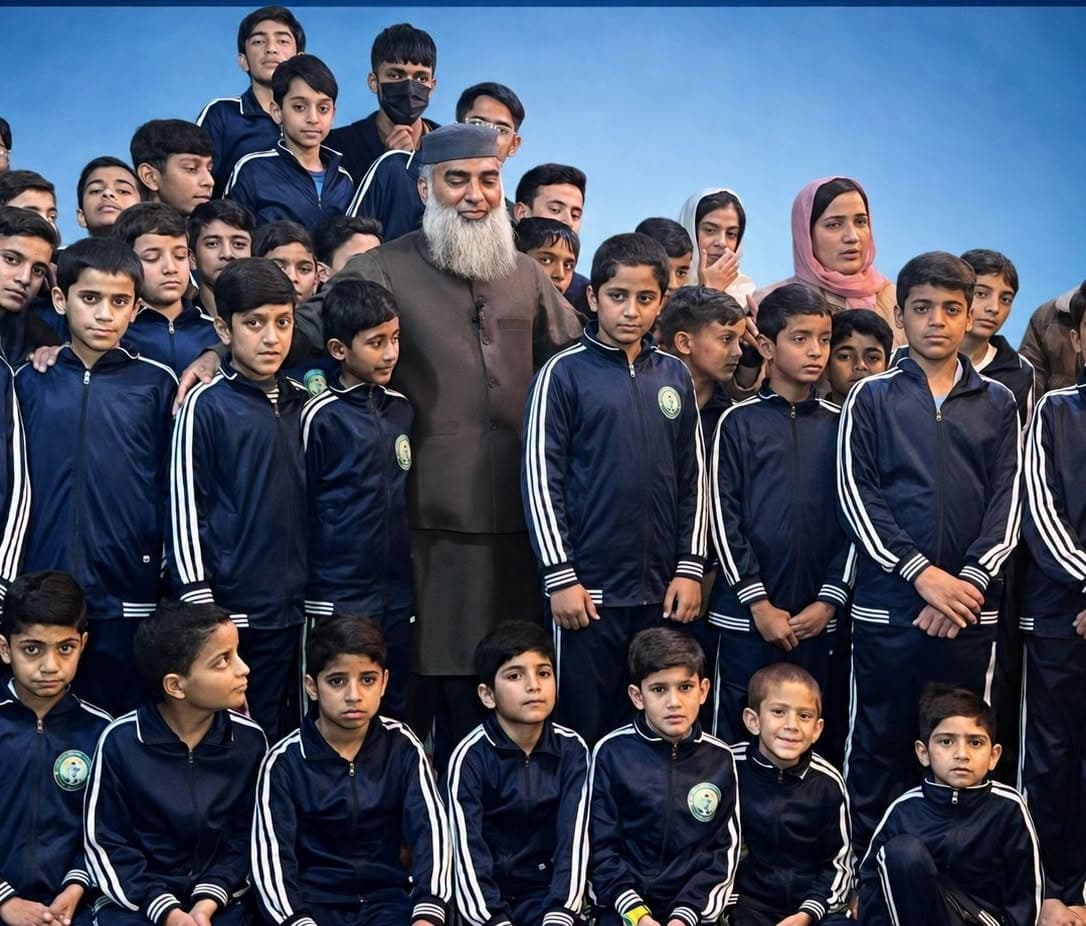
Good health, the best education we can reach, and a future worth preparing for — for every orphan child in our care.
- Good health
- Medical care, real food, and somewhere safe to sleep.
- The best education
- School, online classes, and Islamic learning — to a standard we would accept for our own children.
- A future
- Character and skills, and a path that does not stop the day they turn eighteen.
Our vision
A Pakistan where no orphaned child is raised by chance.
Where every one of them has a name someone remembers, a door that is always open, and a future they were actually prepared for rather than left to find.
Our girls are our pride. Their future is our responsibility.
What we hold ourselves to
An embrace, not a case file
Aghosh means an embrace. A child who comes to us is treated as family, not as an intake number. The word was chosen on purpose and we are held to it.
Dignity before fundraising
No child is photographed, named or described in a way that would shame them later. A donation is never worth a child's self-respect.
Faith alongside school
Qur'an, character and formal education are taught together, not one after the other. Both belong to the same upbringing.
The door does not close
Our hours are listed as always open, and for a children's home that is literal. Someone is there.
Every rupee is a trust
Zakat, Sadaqah and general donations are amanah. They are spent on what they were given for, and we will account for them to anyone who asks.
We build things that last
An education and a building both outlive the person who paid for them. We would rather do that than hand out relief once and leave.
What we provide
Seven things, taken from the foundation’s own literature.
- Education
- School fees, books, uniform
- A place to live
- Safe, permanent residence
- Food
- Regular, properly nourishing meals
- Clothing
- Uniforms, winter clothes, shoes
- Medical care
- Routine treatment and emergencies
- Transport
- Safe travel to and from school
- Islamic learning
- Qur'an, faith and character
How a child comes into our care
- Step 1
Someone reaches us
Usually a widowed mother, sometimes a relative or a neighbour. Most often by phone or WhatsApp.
- Step 2
We verify the situation
The father's death certificate, the mother's CNIC and the child's NADRA B-Form confirm who the child is and what has happened.
- Step 3
We meet the family
We sit with the mother or guardian and understand what the household actually needs before deciding anything.
- Step 4
The child is admitted
Into sponsorship, or into residential care at Parsa Home. No fee is charged to the family at any point.
- Step 5
The seven provisions begin
Education, a place to live, food, clothing, medical care, transport and Islamic learning start immediately, not eventually.
Where the money goes
Zakat is kept for Zakat-eligible recipients. It is not spent on administration, on construction, or on anything else for which Zakat is not permissible.
Money given towards the Parsa Home building is spent on the Parsa Home building. Money given for a child is spent on that child.
If you want to know exactly where your donation went, ask us. We will tell you, and you are welcome to come and look.
Who runs the foundation
Muhammadi Foundation is led by its chairman, Mirza Fayyaz Ahmed, whose name and photograph appear on the foundation’s own public appeals across Islamabad. If you have a question about how this place is run, that is the person it reaches.
Checking us out is reasonable
You are giving money to people you have not met, for children you will probably never meet. Scepticism is healthy. Three things you can do:
- Call and ask0314 9032724 reaches a person, not a queue.
- Come to the officeStreet No. 3, House No. 2, Ghori Garden. No appointment is strictly necessary, though calling ahead helps.
- Watch the workThe Facebook page is updated constantly, including from the building site.
Where we work
The office is at Street No. 3, House No. 2, Ghori Garden, Islamabad 46000. It is where donations are received, admissions are discussed, and the day-to-day running of the foundation happens.
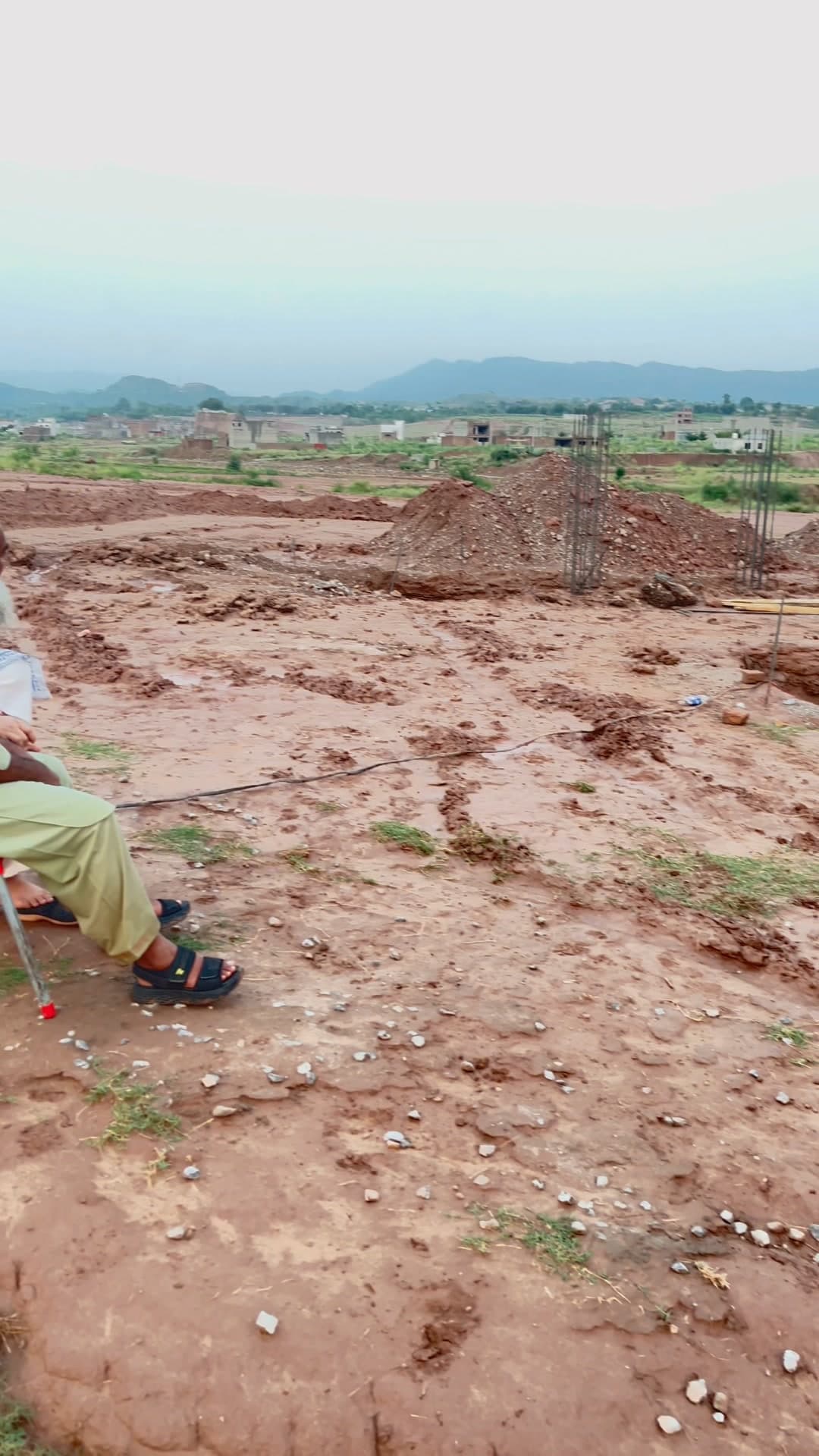
The Parsa Home site is a short distance away, on open ground with the hills behind it. At the moment it is red earth, foundations and standing steel. In time it will be a house full of girls who had nowhere else to go.
What happens next
Parsa Home is the foundation’s largest undertaking so far. The ground is cleared, the foundations are poured and the reinforcement is standing. Admissions for 2026 are already open.