Our programmes
What we actually do
Six commitments that stand between a child who has lost a father and everything that usually follows.
- Admissions open for 2026
- No fee at any stage
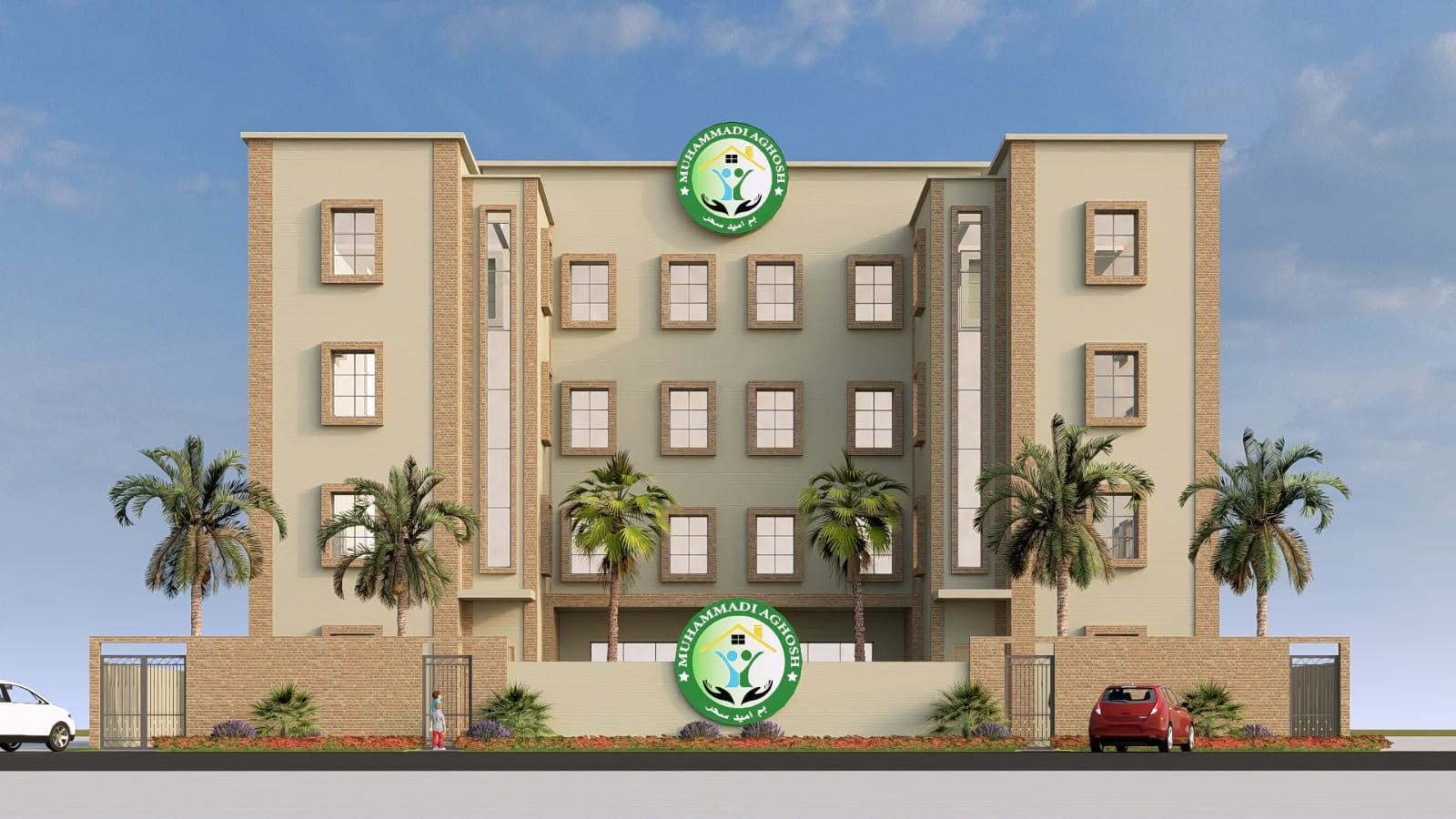
Architect’s impression — the planned Muhammadi Aghosh building
For every child
Seven things every child receives
Listed in the foundation’s own literature, in this order. Education comes first on purpose.
- 01
Education
School fees, books, uniform
- 02
A place to live
Safe, permanent residence
- 03
Food
Regular, properly nourishing meals
- 04
Clothing
Uniforms, winter clothes, shoes
- 05
Medical care
Routine treatment and emergencies
- 06
Transport
Safe travel to and from school
- 07
Islamic learning
Qur'an, faith and character
Sponsorship
Muhammadi Aghosh
The programme the foundation is named for.
Aghosh means an embrace, and it describes the intended relationship exactly: a child who has lost a father is taken in, not processed.
Sponsorship covers a child’s health, their education, and the ordinary daily things that quietly disappear when a household loses its earner — uniform, shoes, a doctor’s visit, the fees due at the start of term.
It is funded by supporters giving Zakat, Sadaqah and general donations, applied directly to the children in our care.
Care for the orphan, and with it Paradise, and the companionship of the Prophet ﷺ.
A home for orphan girls
Parsa Home
A shade of love and an embrace of safety. A new hope, a new beginning.
A project of Muhammadi Foundation, Islamabad
Parsa Home is a residential home for girls who have lost their father. Not a hostel and not an institution — a house, where every girl gets the thing the foundation promises: home-like love, protection, an education, and a better future than the one she was heading for.
An orphaned girl in Pakistan carries risks an orphaned boy often does not. She is the one taken out of school first, married early, or absorbed into a relative’s household as unpaid help. Parsa Home removes those risks by giving her somewhere permanent to live, her own schooling, and adults who are answerable for her safety.
What every girl here receives
- Education
- A place to live
- Food
- Clothing
- Medical care
- Transport
- Islamic learning
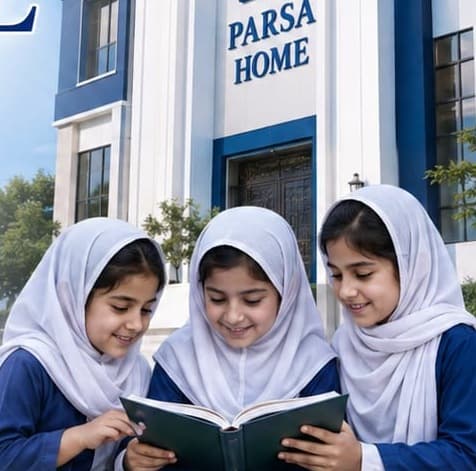 Admissions open for 2026
Admissions are open for 2026
A place at Parsa Home
If you are raising a girl who has lost her father, this is for you. There is no fee at any stage — not for the application, not for her place, not for anything that follows.
Who can apply
- Age
- Five to eight years old
- Who
- Girls
- Circumstance
- Her father has passed away
- Cost
- Free — everything is provided
How it works
Call or message
Reach Parsa Home on 0306 1019753. WhatsApp is usually the fastest way.
Send the documents
Photographs of the three documents are enough to begin. Originals are checked later.
We meet the family
We speak with the mother or guardian and understand the situation.
A place is offered
There is no fee at any stage. Everything is provided free.
Documents you need
- The father's death certificate
- A copy of the mother's CNIC
- The child's B-Form, issued by NADRA
Photographs of these are enough to begin. Do not travel with the originals until we ask.
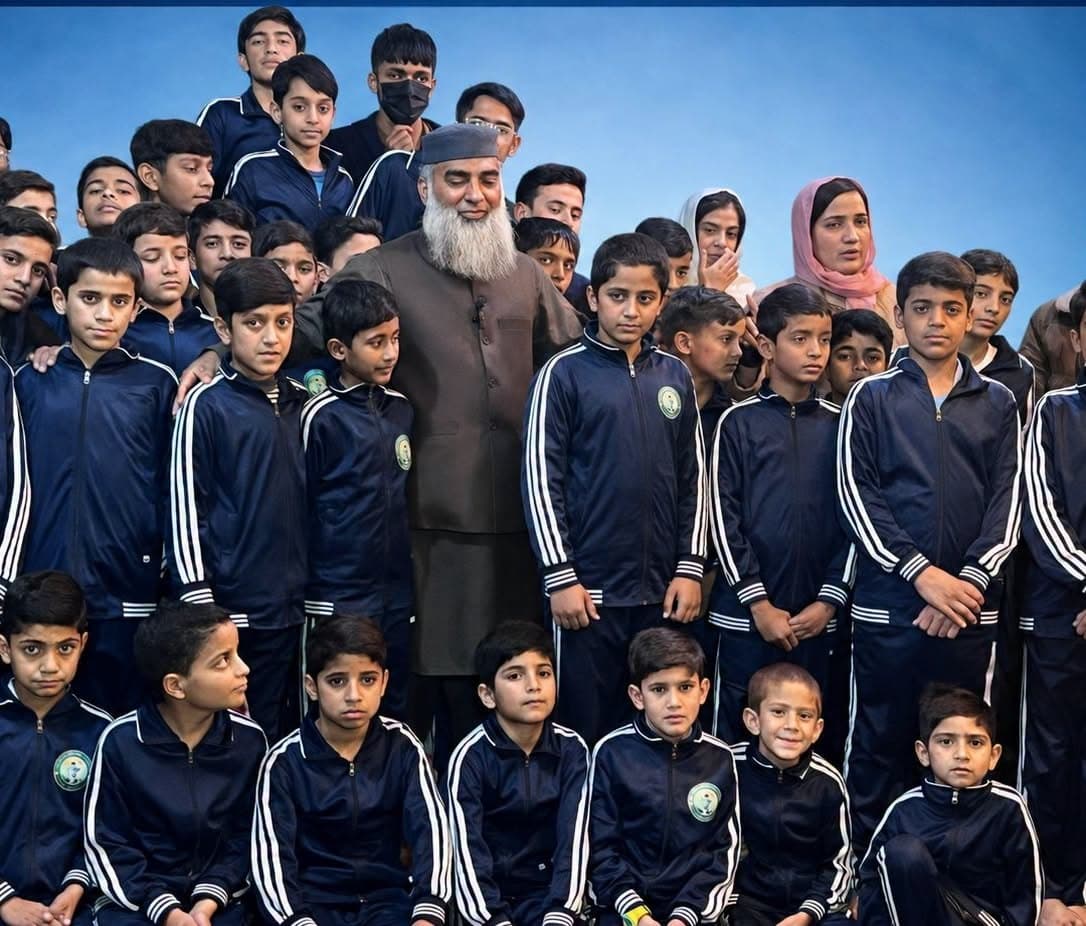
The first provision
Education
When a father dies, school is usually the first thing a family gives up. Our position is that it should be the last.
Education is the first of the seven provisions, and it is listed first on purpose.
School costs covered
Fees, books, uniform and shoes — the bills that arrive at the start of every term.
Safe transport
Safe transport to get there and back, so distance never decides who goes.
Online classes
Run by the foundation as a standing service — useful for children who cannot always reach a classroom.
Faith, alongside school
Islamic learning is taught alongside the school timetable rather than squeezed in around it.
Health and nutrition
Health and food
The foundation’s commitment to good health starts at the table, not at the clinic.
Medical care
Routine treatment and emergencies both. A child who cannot see the blackboard needs glasses before they need a tutor, and a cough that goes untreated for a month is how a school year gets lost.
Food
Regular, adequate, properly nourishing meals. A hungry child cannot learn, and no amount of school fees fixes that.
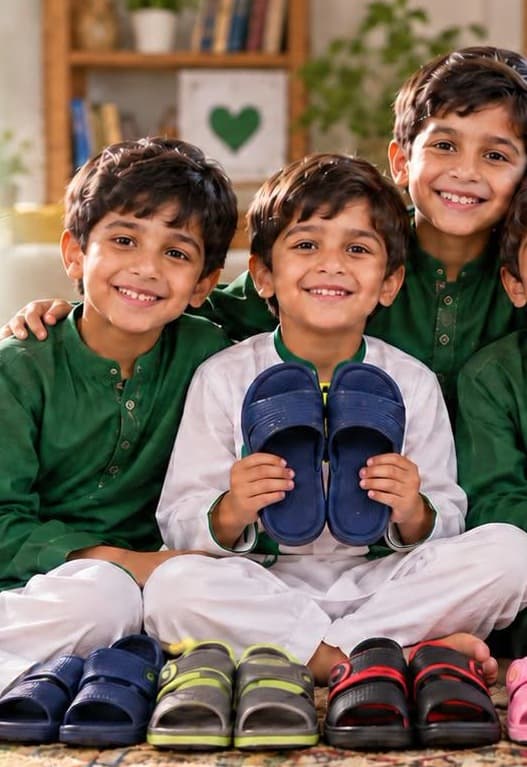 Every winter
Seasonal campaign
Support for Little Steps
Shoes and warm clothing, placed on small feet before winter.
Every winter the foundation runs a drive to put shoes and warm clothing on children who do not have them. It is the clothing provision made visible, and the least abstract thing we do — you can see exactly what your money bought.
It is funded the way it should be: small gifts from a lot of people, rather than one large cheque from anyone. When you send yours, tell us it is for the winter shoe drive.
The seventh provision
Islamic learning, and the gatherings
Islamic learning and character formation is the seventh provision, and the one that gives the other six their shape. Qur’an, faith and conduct are taught next to the school timetable, not bolted on at the end of it.
The foundation also hosts religious gatherings at its Ghori Garden premises, which are recorded and shared publicly. They matter for a practical reason as well as a spiritual one: they put supporters, neighbours and donors in the same room as the work.
What is taught
- Qur’an
- Faith
- Character and conduct
See the work for yourself
We are at Street No. 3, House No. 2, Ghori Garden, Islamabad. Call ahead and we will make the time.
Plan a visitSadaqah jariyah
The home we are building
Construction is under way in Islamabad. These are the architect’s drawings of the planned Muhammadi Aghosh building — a plan, not a photograph of anything finished.
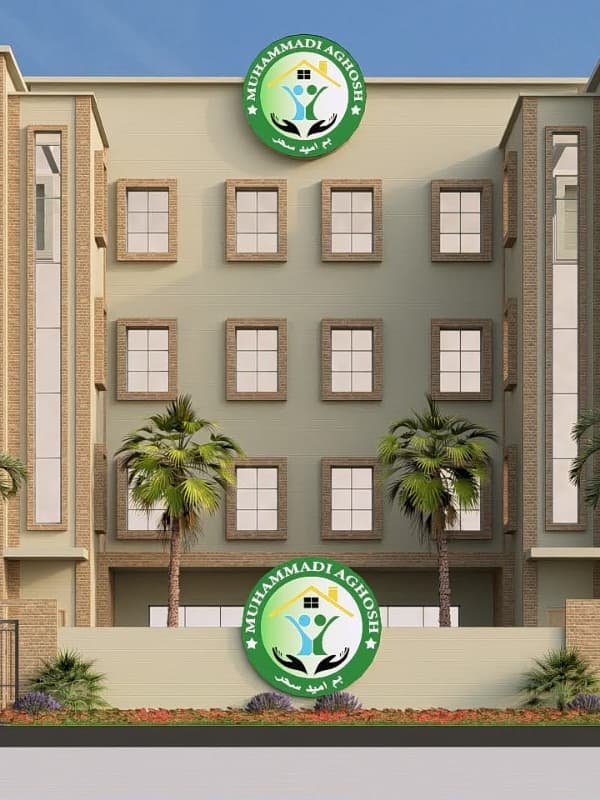
Charity that keeps working
Giving to a building is sadaqah jariyah — charity that goes on working after you have stopped. A donation feeds a child this month. A wall shelters children for the next forty years.
What the building becomes, and how soon, depends on what comes in.